

Gambling machines operate using sophisticated pseudorandom number generators that produce thousands of numbers per second to determine outcomes JM8 online casino Malaysia. Each RNG output maps to specific symbols or cards with weighted probabilities set by programmed pay tables, ensuring precise odds and controlled payout rates. Sensory stimuli like lights and sounds enhance player engagement through conditioned reinforcement. Statistical frameworks maintain house edges between 5% and 15%, guaranteeing long-term returns. Further analysis reveals the intricate balance between randomness, psychology, and game design that defines these machines.
How Gambling Machines Use Random Numbers to Decide Wins
Although the outcomes of gambling machines often appear spontaneous to players, they are determined by complex algorithms centered on random number generation. These algorithms employ pseudorandom number generators (PRNGs) that continuously produce sequences of numbers at high speeds, independent of player actions.
Each generated number corresponds to specific machine outcomes, ensuring unpredictability and fairness within programmed probabilities JM8. The algorithms balance randomness with predetermined payout percentages, maintaining regulatory compliance and game integrity.
This data-driven approach guarantees that every spin or play is statistically independent, preserving player freedom while delivering transparent, mathematically controlled results in gambling environments.
How Slot Machines and Video Poker Actually Work
How do slot machines and video poker devices translate random number outputs into tangible game results? Both systems rely on a random number generator (RNG) producing thousands of numbers per second.
When activated, the RNG selects a specific number corresponding to predefined symbol combinations or card arrangements. Slot machines map these numbers to reel positions, determining symbol alignment, while video poker assigns card hands.
This translation ensures unpredictability and fairness, as outcomes directly link to RNG outputs rather than mechanical chance. The process is computationally precise, enabling consistent, unbiased results that empower players with true freedom of chance within programmed parameters.
How Gambling Machines Calculate Payouts and Odds
Why do gambling machines offer specific payout rates and odds despite relying on random number generation? These machines use algorithms to assign weighted probabilities to symbols, ensuring controlled payout percentages over time.
Random number generators (RNGs) produce outcomes, but programmed pay tables dictate prize distribution. Casinos calibrate odds to maintain a house edge, commonly between 5% and 15%, balancing player appeal with profitability.
This statistical framework guarantees long-term returns while allowing occasional large wins. Transparency and mathematical precision underpin these calculations, providing players freedom to understand risk and reward within a rigorously designed, probabilistic environment.
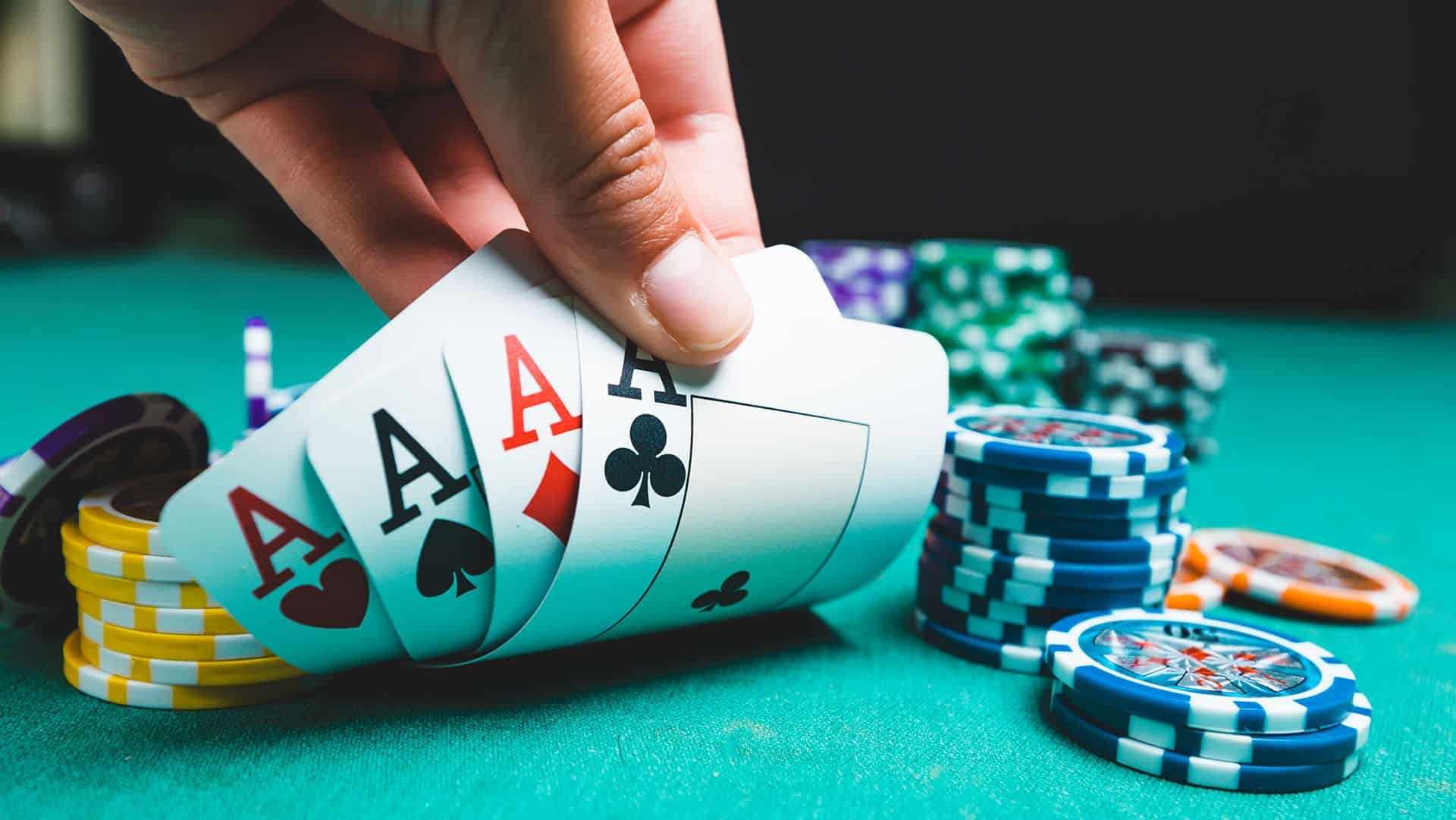
Why Gambling Machines Use Lights and Sounds to Hook You
Because sensory stimuli directly influence human reward pathways, gambling machines employ carefully engineered lights and sounds to enhance player engagement and prolong playtime.
Research shows that rhythmic flashing lights and celebratory sounds activate dopamine release, reinforcing reward anticipation. These stimuli function as conditioned reinforcers, increasing behavioral persistence despite losses.
Data indicates that multi-sensory feedback elevates arousal levels, sustaining attention and reducing perceived time spent gambling.
By modulating sensory input, casinos optimize machine appeal, subtly encouraging extended play.
This strategic use of audiovisual cues leverages neurobiological mechanisms, balancing stimulation and reward to maximize user immersion while preserving perceived autonomy.
Understanding Your Odds and Playing Gambling Machines Responsibly
Although gambling machines are designed to maximize player engagement, understanding the statistical odds behind each game is essential for responsible play. Each machine operates on a random number generator (RNG), determining outcomes with precise probabilities.
Payout percentages, typically ranging from 85% to 98%, reflect expected returns over time, not guaranteed short-term results.
Players seeking autonomy must recognize that losses are statistically inevitable, emphasizing bankroll management and time limits.
By analyzing game odds and adopting disciplined strategies, individuals maintain control, balancing entertainment with risk awareness.
This data-driven approach fosters informed decisions, preserving freedom while mitigating potential harms inherent in gambling machines.
Conclusion
Gambling machines operate through complex algorithms utilizing random number generators to ensure unpredictable outcomes. Slot machines and video poker rely on these systems to calculate payouts and odds with precision, balancing house edge and player engagement. The strategic use of lights and sounds enhances user immersion, influencing behavior without altering probabilities. A clear understanding of these mechanisms and realistic odds is essential for responsible play, emphasizing informed decisions over reliance on perceived patterns or luck.